Manufacturing Consent: Animal Welfare
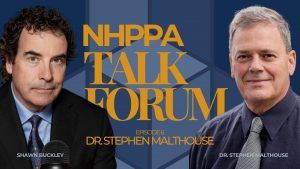
In this final part of the Manufacturing Consent series, Sean Buckley discusses the animal welfare concerns surrounding the cloning of farm animals and the potential introduction of cloned meat into the food supply.
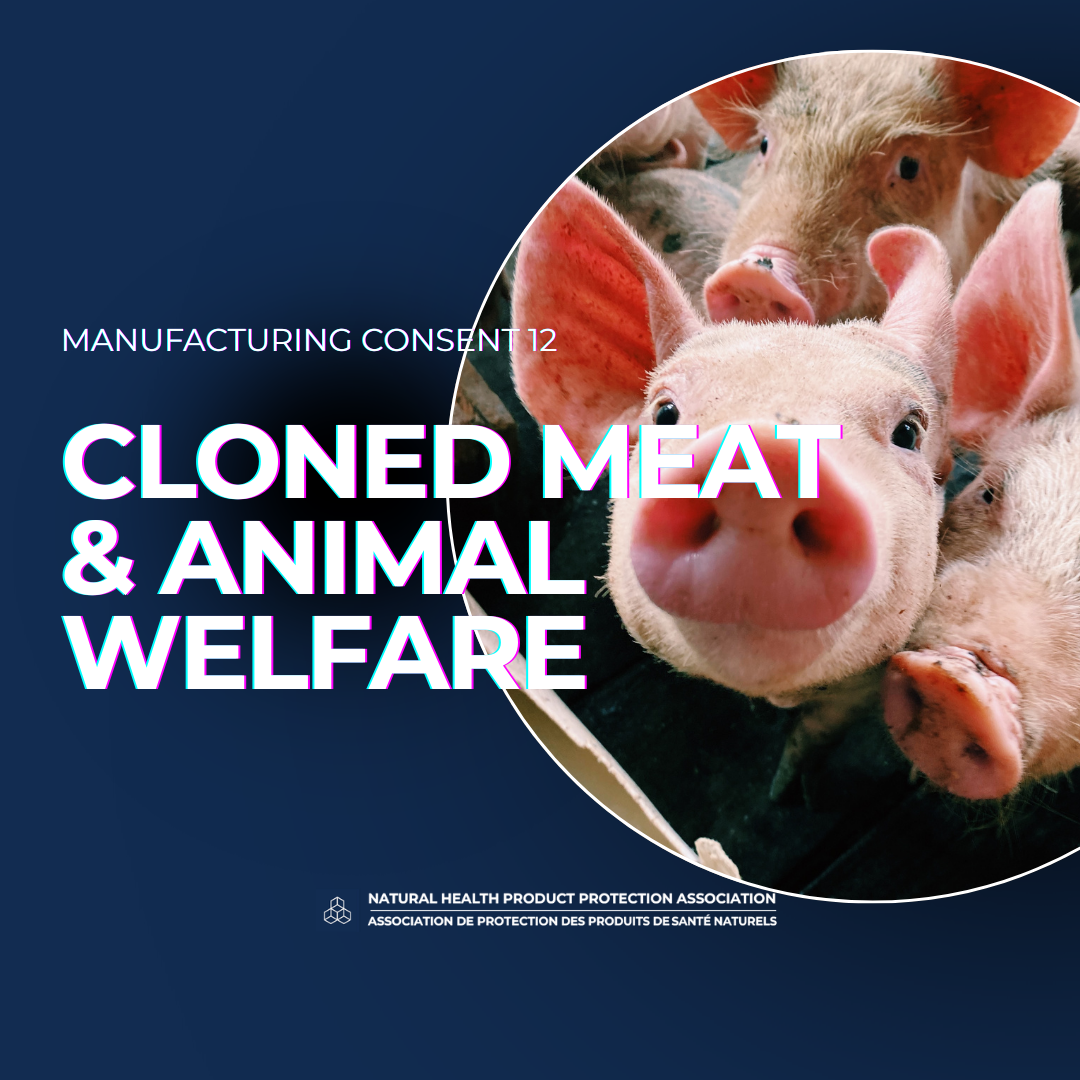
The video argues that cloning animals can lead to high failure rates, genetic defects, organ problems, and significant suffering for many cloned animals. It also highlights how surrogate animals carrying cloned embryos often require more cesarean sections and experience additional health complications.
The discussion references European Union policies that banned cloning of farm animals, citing both animal welfare concerns and unresolved human safety questions. According to the speaker, these ethical issues receive little attention in mainstream discussions while the debate around cloned meat continues.
The video encourages viewers to examine the ethical implications of animal cloning, research the topic themselves, and participate in the public conversation about how food technologies are introduced and regulated.
Watch the full video to explore the arguments and evidence presented in this series.